Vulnerability Evaluation & Reporting Tool

Automate FedRAMP VDR & VER Compliance

Turn complex LEV (Likely Exploitable Vulnerability), IRV (Internet Reachable Vulnerability), and PAIN calculations into machine-readable JSON and audit-ready reports without manual triage or spreadsheet chaos.


Trusted by Industry Leaders to Automate Compliance.

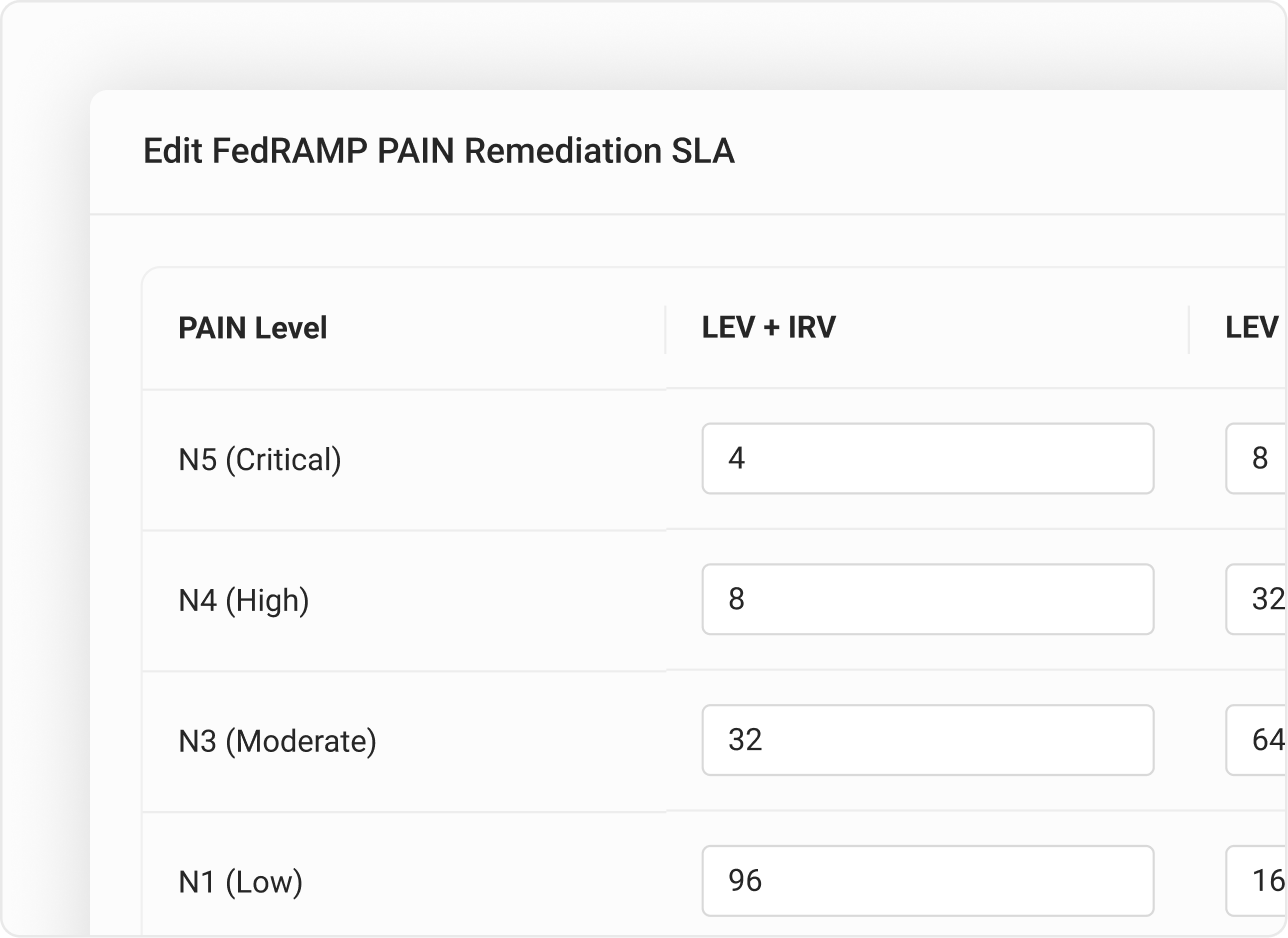
Calculate PAIN Levels

Every vulnerability is assigned an N1–N5 Potential Agency Impact rating based on asset context, mapping straight to FedRAMP's required remediation timeframes.
Evaluate Likely Exploitable Vulnerability (LEV)

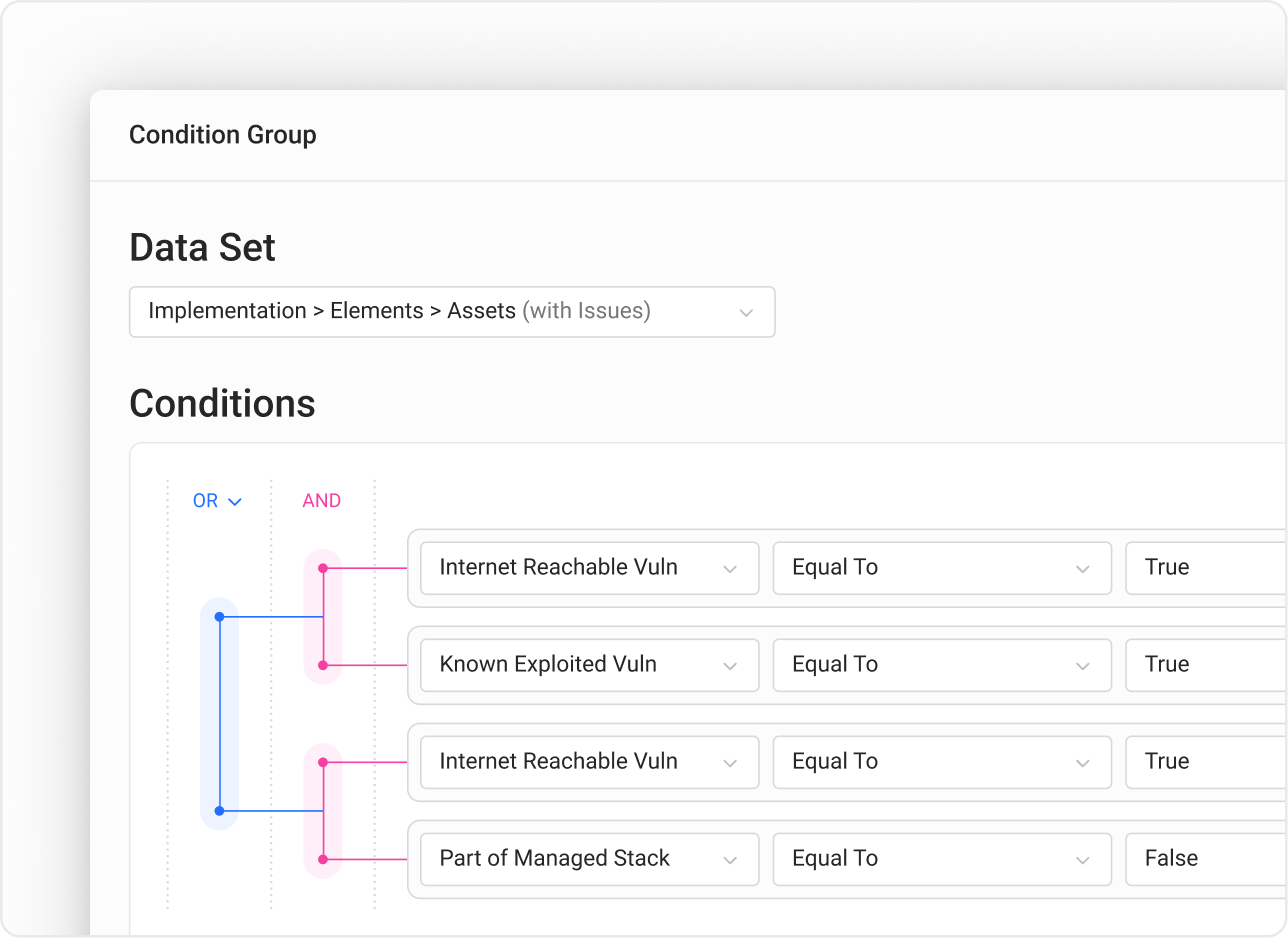
Evaluate threat intelligence, reachability, and control adoption to classify vulnerabilities as LEV or NLEV without manual triage. Use out-of-the-box FedRAMP defaults, or customize rules for total operational control.
Determine Internet Reachable Vulnerability (IRV)

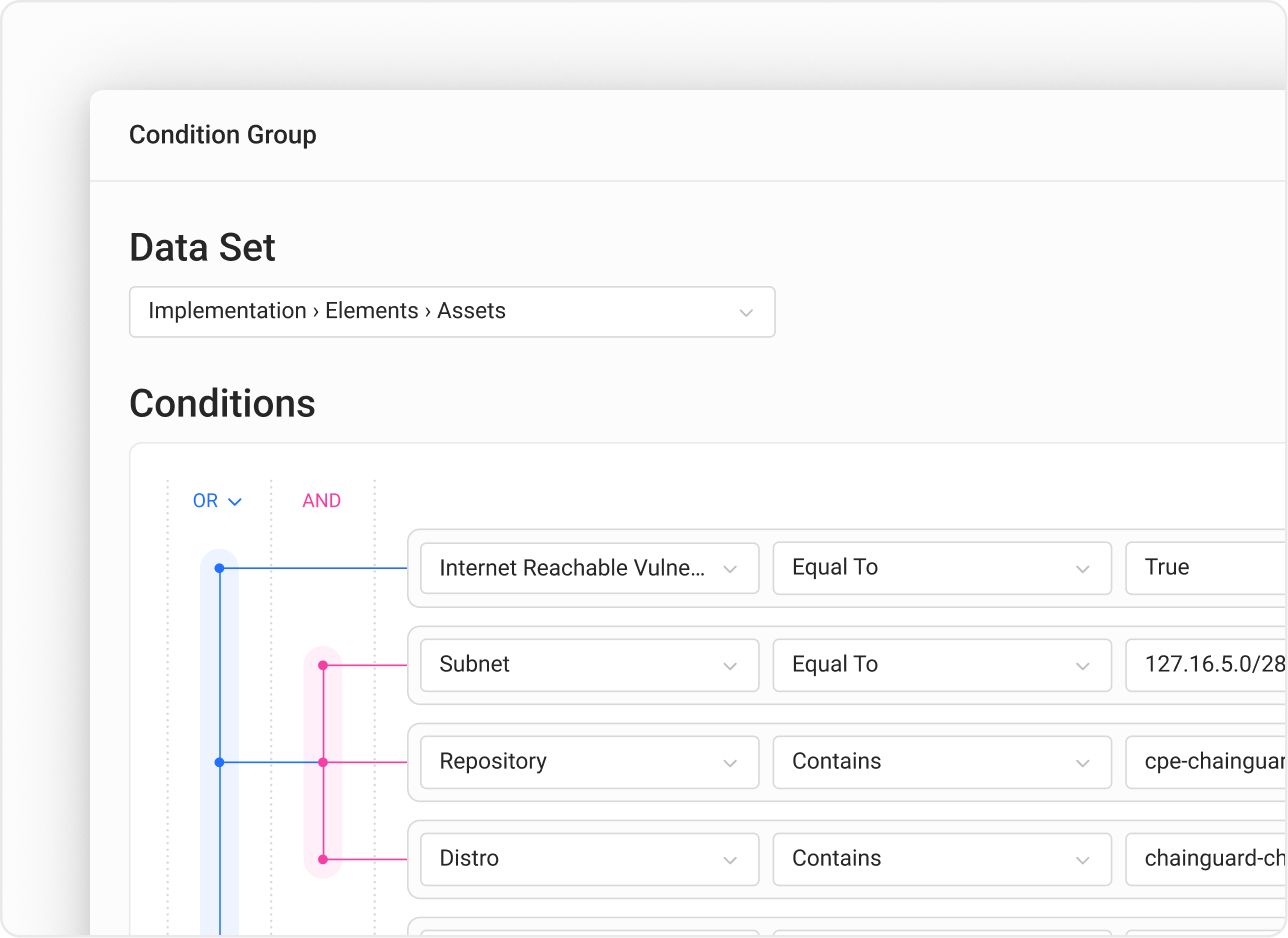
Automatically isolate true internet exposure by correlating scan data with your edge architecture. Get compliant fast with pre-built FedRAMP reachability rules, or easily fine-tune conditions using subnets, ports, and asset types.

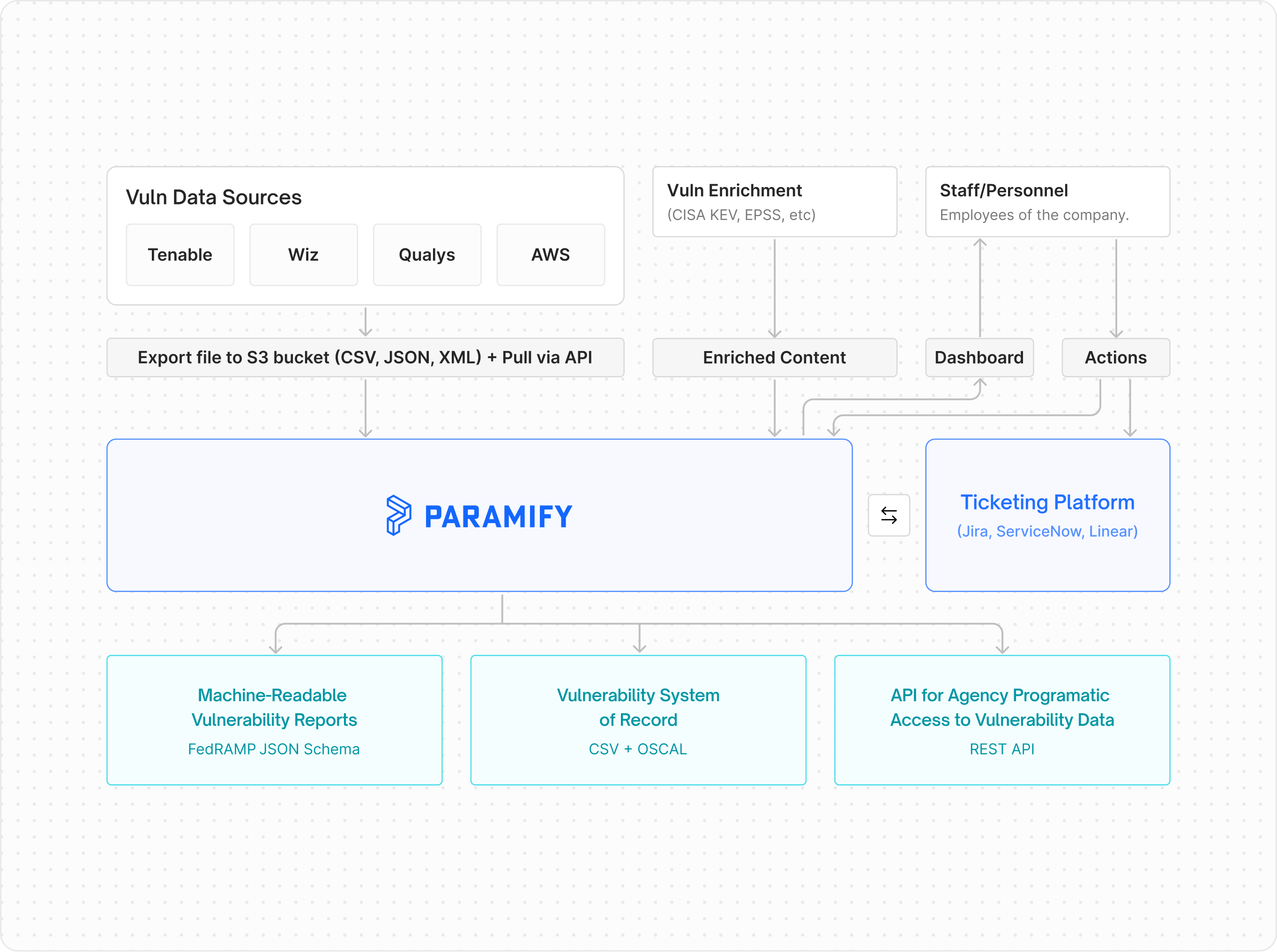
THE VDR PIPELINE

How does Paramify help me comply with VDR/VER?

Paramify is the data and reporting layer that makes VDR & VER compliance reliable and scalable.
Paramify's risk management approach

Real Risk-First Compliance

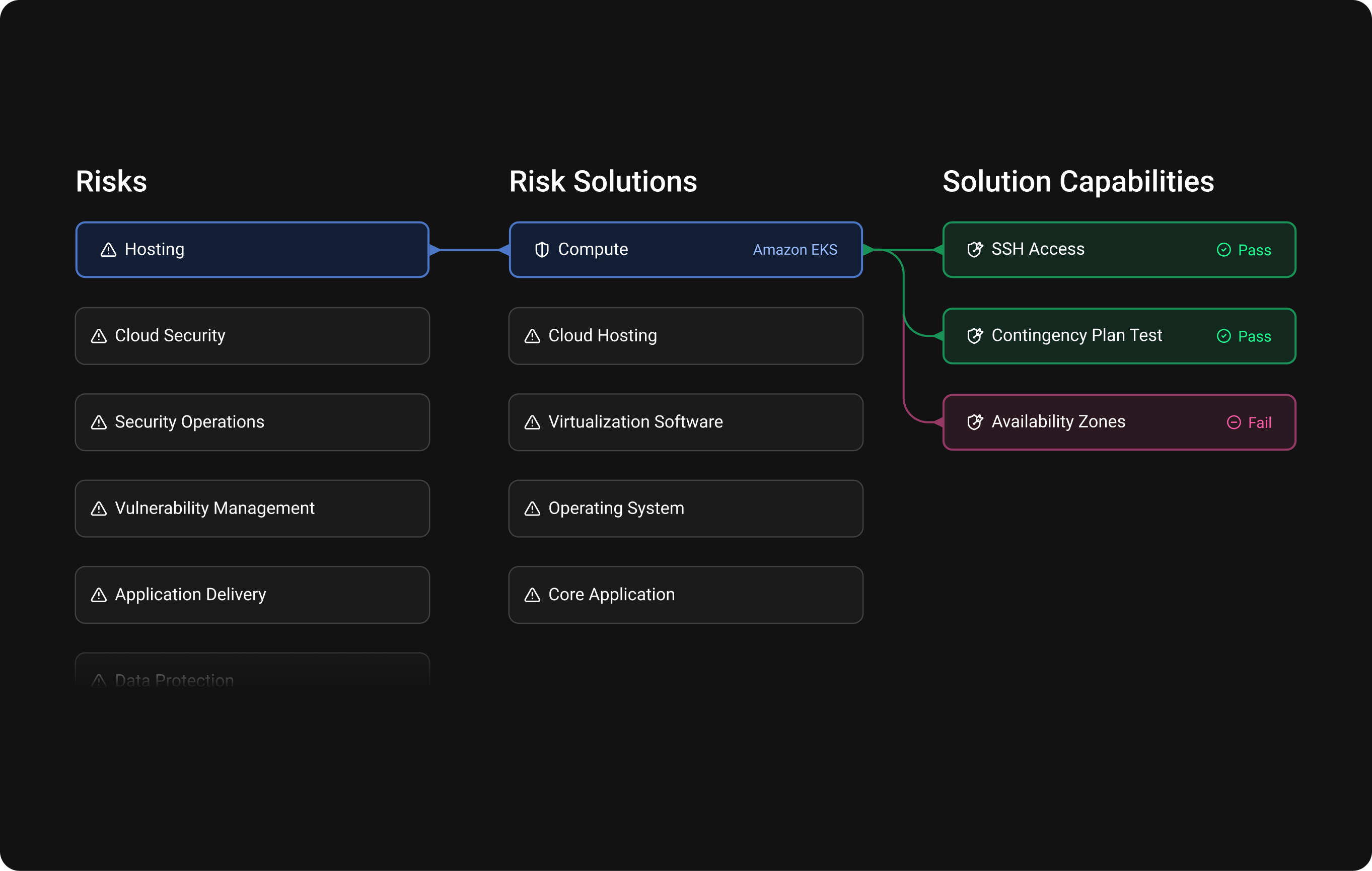
While our competitors force you to audit controls in isolation, Paramify's core architecture connects Risks directly to Solutions whose Capabilities are continuously Validated.

These aren't just FedRAMP mandates; they're best practices we should be doing anyway.

Frequently Asked Questions

Thank you! Your submission has been received!
Oops! Something went wrong while submitting the form.
How do VDR and VER affect vulnerability remediation SLAs?

They replace static 30/60/90/180-day POA&M windows with variable SLAs set by three factors per finding: exploitability (LEV), internet reachability (IRV), and data impact rating (N1–N5). The worst combinations can require remediation in as little as half a day. Paramify calculates each Issue's SLA due date automatically from those classifications and flags it Due Soon or Overdue — no manual recalculation.

Does VDR/VER really replace POA&Ms? What reporting changes come with it?

It replaces the monthly POA&M workflow with continuous, machine-readable reporting. Paramify still tracks every finding as an Issue from open to remediated — that data doesn't disappear, it just feeds three FedRAMP schema-validated reports (Vulnerability Detail, Accepted Vulnerability Info, and Historical VER Activity) instead of a spreadsheet. Agencies can pull it via API rather than waiting on a submission.

Does Paramify support the updated vulnerability standard introduced with FedRAMP 20x?

POA&M templates often fail and lead to bad security practices. VDR shifts compliance from point-in-time snapshots to continuous readiness. The goal is to bring agencies and vendors closer to true continuous ATO.

But, you can't manually sift through vulnerabilities and hit required timelines. You’ll need processes that detect, assess, and patch automatically where possible.

Paramify will alert you to LEVs and IRVs instantly. From there you can prioritize the N5s and automate the fixes for lower ones. 

Find out how VDR works and watch below to learn how Paramify helps: